

Leadership is the best life skill. Early in my coaching career, I worked with a senior executive who was admired for his sharp mind and unmatched industry knowledge yet behind the closed doors, he was drowning.
His team was disengaged.
His calendar was chaos and every day felt like he was putting out fires instead of leading with vision
The Silent Struggle of Leadership
We often assume leadership is about inspiring others, driving results, and making strategic decisions.
But here’s what rarely gets discussed: before you can lead others, you must first learn to lead yourself.
Without self-leadership, all the tactical skills in the world can’t save you from overwhelm, burnout, or poor decision-making.
The Story of Mark
Mark (name changed for privacy) had been promoted quickly through the ranks because of his technical expertise. But as his responsibilities grew, so did the pressure.
He was spending 12+ hours at the office, responding to every email instantly, attending every meeting he was invited to. On paper, he was the perfect leader. In reality, he was exhausted and reactive.
Our first breakthrough came when I asked him one simple question:
> “If your team led themselves the way you lead yourself, would you be proud of them?”
That question stopped him in his tracks.
The Data on Self-Leadership

McKinsey research shows that self-awareness is the #1 predictor of leadership success, yet only 10–15% of leaders are truly self-aware.
Self-leadership isn’t just knowing your strengths and weaknesses but it’s:
* Managing your energy, not just your time
* Setting boundaries without guilt
* Choosing long-term priorities over short-term distractions
* Aligning your daily actions with your core values
When leaders model this, it trickles down into team culture.
Mark’s Transformation
Together, we implemented three changes:
1. **Non-Negotiable Strategic Time** — He blocked 90 minutes every morning for deep work on key priorities.
2. **Boundaries Around Availability** — Emails were handled twice a day, meetings were evaluated for necessity.
3. **Values-Driven Decisions** — Every major choice was run through the filter of his personal and company values.
Six months later, Mark’s team reported higher engagement, his stress levels dropped significantly, and for the first time in years, he was leaving the office on time.
What This Means for You
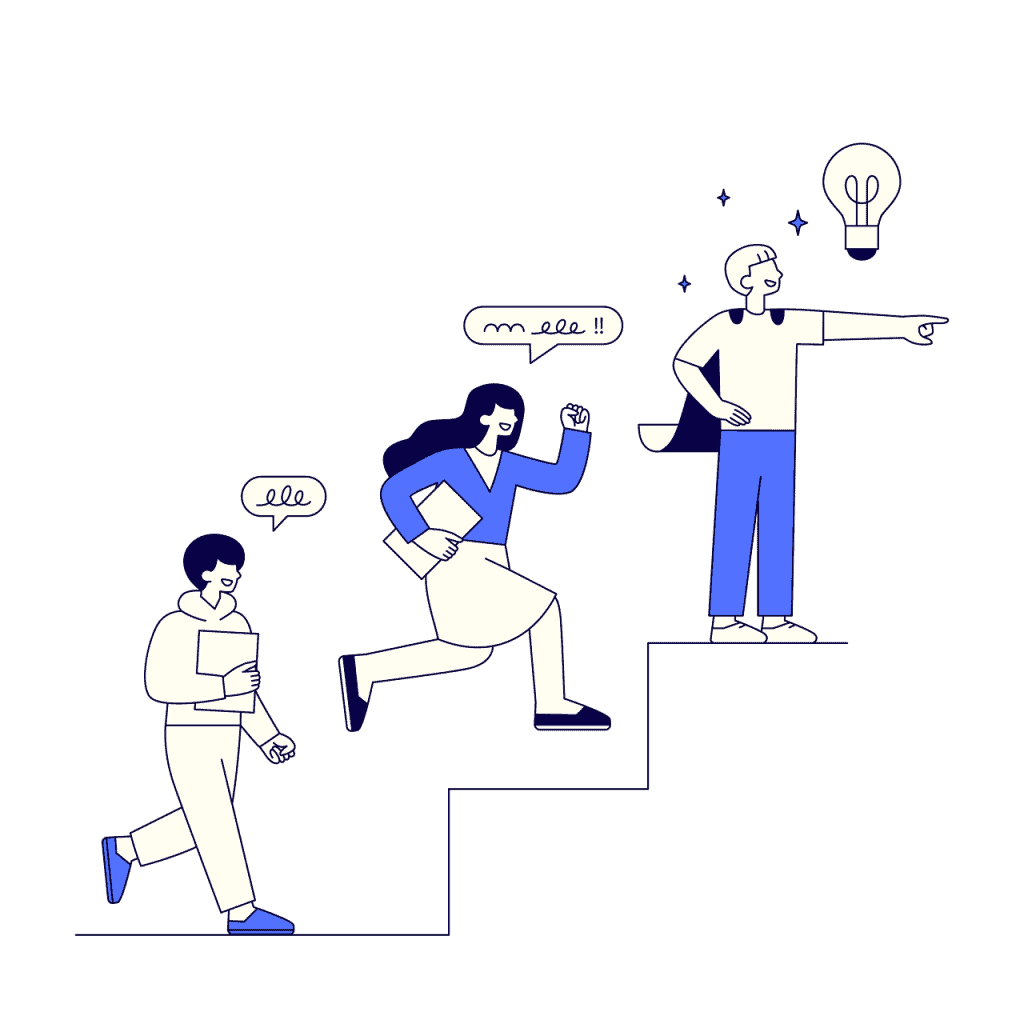
If you’re in a leadership role, remember this: your people are watching not just what you do, but how you do it.
If you’re constantly rushed, overwhelmed, and reactive, you’ll unintentionally give your team permission to be the same.
Lead yourself well, and others will follow.
If you’re ready to lead from the inside out, let’s create your Personal Leadership Blueprint , a proven plan to align your habits, values, and vision so you can lead with confidence and clarity. [S.
Remember, ideas are worthless without action and implementation. It works if you work it. Till we meet again in the next post. Peace.
 English