
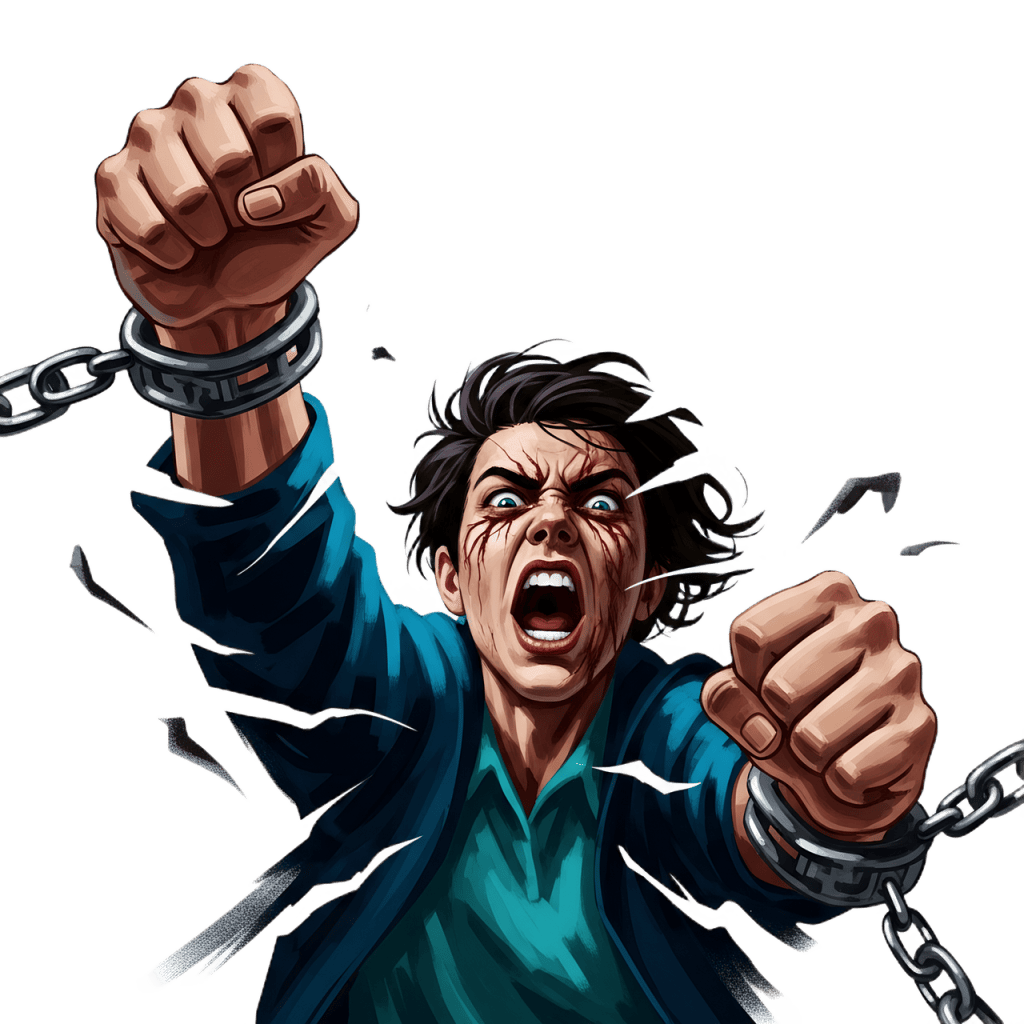
Forgive yourself. There is a quiet weight many people carry that no one else can see.
It’s not failure.
It’s not rejection.
It’s not even loss.
It’s self-condemnation.
You replay moments in your mind… what you should have said, what you should have done, who you should have been. And slowly, without realizing it, your past begins to control your present.
But here’s the truth:
You cannot build a powerful future while being emotionally chained to an old version of yourself.
Forgiving yourself is not weakness. It is one of the highest forms of strength.
This is how you do it—deeply, honestly, and in a way that actually sets you free.
1. Accept What Happened — Without Editing the Story
Most people don’t forgive themselves because they haven’t fully accepted what happened.
They minimize it.
They justify it.
Or they avoid it completely.
Real healing begins when you face it directly.
Not the softened version.
Not the version you tell others.
The truth.
Ask yourself:
- What exactly happened?
- What role did I play?
- What was I thinking and feeling at the time?
This is not about shaming yourself. It’s about seeing clearly.
You cannot release what you refuse to acknowledge.
2. Understand Who You Were in That Moment
You are judging your past self using your present awareness.
That’s unfair.
At the time, you made the best decision you could with:
- The knowledge you had
- The emotional state you were in
- The environment you were operating in
Growth changes perspective. And with that new perspective, you start to see:
“I didn’t know better then… but I do now.”
That shift is powerful. It turns guilt into growth.
3. Separate Your Identity from Your Actions
One of the biggest mistakes people make is this:
“I made a mistake” becomes
“I am a mistake.”
Those are not the same thing.
You are not your worst decision.
You are not your lowest moment.
You are a person who made a decision—one that can be learned from, corrected, and outgrown.
When you separate identity from behavior, something changes inside you:
You stop attacking yourself… and start developing yourself.
4. Take Responsibility — Without Self-Destruction
Forgiveness is not denial.
If you hurt someone, acknowledge it.
If you made a wrong move, own it.
Responsibility is what gives you power.
But there is a difference between responsibility and punishment.
Responsibility says:
“I will learn and do better.”
Punishment says:
“I deserve to suffer forever.”
One moves you forward. The other keeps you stuck.
Choose growth.
5. Make Peace Through Action
Forgiveness is not just something you feel.
It’s something you demonstrate.
Ask yourself:
- What can I do now to become better?
- How can I ensure I don’t repeat this?
- What standards do I need to raise?
Sometimes that means apologizing.
Sometimes it means changing your behavior.
Sometimes it means rebuilding discipline.
Action restores self-respect.
And self-respect makes forgiveness real.
6. Let Go of the Need to Be Perfect
Perfection is the enemy of progress.
Many people struggle to forgive themselves because they expected more from themselves.
But growth is not a straight line.
You will:
- Make mistakes
- Misjudge situations
- Learn the hard way sometimes
That is part of becoming stronger.
The goal is not to be perfect.
The goal is to evolve.
7. Give Yourself Permission to Move Forward
This is where most people get stuck.
Even after understanding everything… they still hold on.
Why?
Because they don’t feel like they deserve to move on.
So let’s make this clear:
You do not earn forgiveness by suffering longer.
You earn it by becoming better.
At some point, you must make a decision:
“I release this version of me. I take the lesson, but I leave the weight behind.”
That decision is what unlocks your next level.
Final Thought:
Your Future Needs a Free Version of You
The life you want to build…
The person you want to become…
The impact you want to have…
All of it requires a version of you that is not trapped in the past.
Forgiving yourself doesn’t erase what happened.
It transforms what it means.
Instead of being a source of pain, it becomes a source of wisdom.
Instead of holding you back, it pushes you forward.
So don’t carry it forever.
Learn from it.
Grow through it.
And then—move forward, fully.
Because your next chapter deserves a version of you that is lighter, wiser, and ready. Remember, ideas are useless without implementation. It works if you work it. Till we meet again in the next post. Peace.
 English