
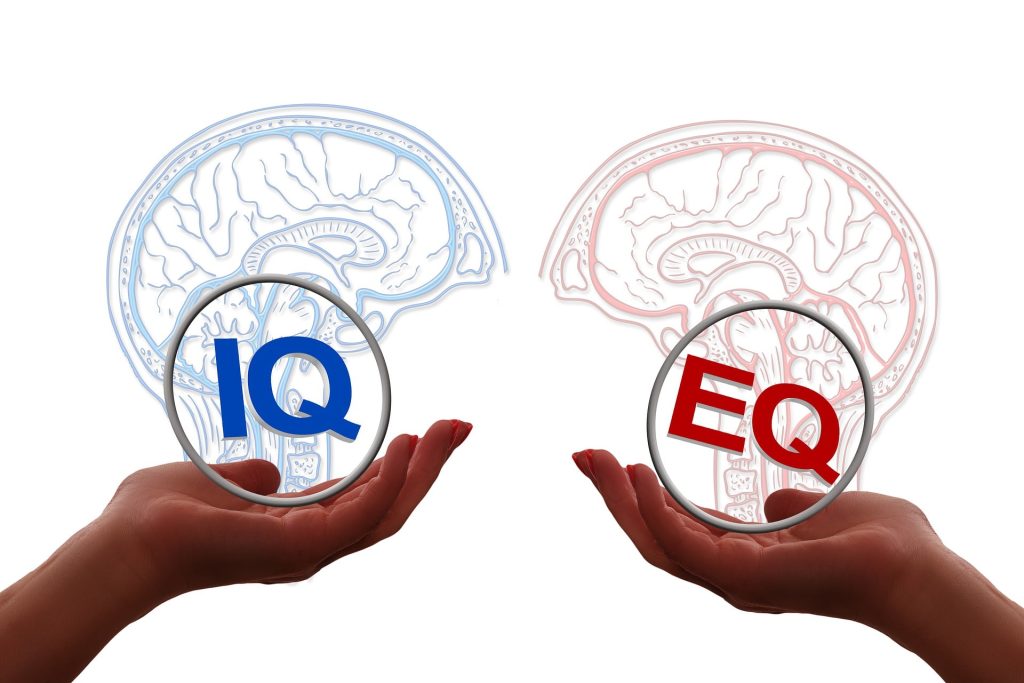
The ability to understand people, manage your emotions and respond wisely in difficult situations is one of the greatest advantages a leader can possess.
Leadership is not simply about holding a position, making decisions or giving instructions. It is about influencing people, building relationships, navigating challenges and creating an environment where others can perform at their best.
A leader may have excellent qualifications, extensive experience and impressive technical knowledge. Yet, without the ability to understand and manage emotions, even the most intelligent individual can struggle to lead effectively.
Think about it.
How many talented employees have lost motivation because of a manager who cannot control their temper? How many workplace relationships have suffered because leaders react without thinking? How many promising opportunities have been lost because someone failed to listen, understand or communicate appropriately?
These situations reveal an important truth: leadership is not only an intellectual responsibility. It is also an emotional responsibility.
This is where emotional intelligence becomes essential.
Great leadership is not just about how intelligently you think. It is also about how wisely you understand, manage and respond to emotions.
1. What is emotional intelligence?
Emotional intelligence is the ability to recognise, understand and manage your own emotions while recognising and responding appropriately to the emotions of others.
It influences how people communicate, make decisions, handle pressure, resolve disagreements and build relationships.
In leadership, emotional intelligence allows individuals to remain composed during difficult situations, understand different perspectives and respond thoughtfully rather than allowing emotions to dictate their behaviour.
Consider two managers facing the same challenge.
An employee makes a costly mistake that affects an important project.
The first manager immediately becomes angry, criticises the employee publicly and creates an atmosphere of fear.
The second manager remains composed, investigates what happened, addresses the mistake and helps the employee understand how to prevent it from happening again.
Both managers have responded to the same problem, but their emotional intelligence has produced very different leadership experiences.
The difference is not that the second manager ignores mistakes. It is that the manager understands how to address the problem without allowing emotions to undermine the situation.
Emotional intelligence does not mean avoiding difficult emotions. It means developing the ability to manage them effectively.
2. Self-awareness: Understanding yourself before leading others
One of the foundations of emotional intelligence is self-awareness.
Self-awareness is the ability to recognise your emotions, understand your strengths and weaknesses, and appreciate how your behaviour affects the people around you.
Many leadership problems begin when individuals fail to recognise their own behavioural patterns.
A leader may believe they are being decisive when they are actually being impatient. They may think they are being confident when they are dismissing other people’s opinions. They may believe they are communicating clearly when their tone is creating unnecessary tension.
Without self-awareness, it becomes difficult to recognise these differences.
Self-aware leaders understand that their behaviour influences the working environment.
They are willing to examine their decisions, acknowledge their mistakes and accept constructive feedback.
They also understand their emotional triggers.
For example, if a leader knows that tight deadlines make them impatient, they can become more intentional about how they communicate under pressure.
This awareness creates an opportunity to respond differently.
Leaders who understand themselves are better positioned to understand the impact they have on others.
You cannot improve what you refuse to recognise.
3. Self-regulation: The ability to manage your emotions
Leadership often involves difficult conversations, unexpected challenges, conflicting opinions and demanding decisions.
In these situations, emotions can become intense.
A leader may feel frustrated by poor performance, disappointed by an unexpected outcome or pressured by a difficult business decision.
The real test of leadership is not whether these emotions arise. It is how the leader responds.
Self-regulation is the ability to manage emotional reactions and maintain appropriate behaviour, even when circumstances are challenging.
It does not mean suppressing every emotion or pretending that everything is fine.
It means developing enough control to avoid allowing temporary emotions to produce lasting consequences.
Imagine a manager receiving disappointing news shortly before an important meeting.
An emotionally reactive manager may take out their frustration on employees.
An emotionally intelligent manager recognises the frustration, takes a moment to regain composure and addresses the situation professionally.
That small difference can influence the confidence, trust and motivation of an entire team.
Leaders should remember that their reactions often carry more influence than they realise.
Employees observe how their managers behave when things go wrong. They notice whether difficult situations produce thoughtful responses or unnecessary conflict.
A leader who cannot manage their own emotions may struggle to lead the emotions and expectations of others.
4. Empathy: Understanding the people you lead
One of the most powerful qualities of an effective leader is empathy.
Empathy is the ability to understand and appreciate another person’s feelings, experiences and perspective.
It allows leaders to look beyond what people do and consider why they may be behaving in a particular way.
For example, an employee who has become unusually quiet or withdrawn may be experiencing personal challenges, workplace pressure or uncertainty about their responsibilities.
A leader without empathy may immediately assume that the employee has become lazy or disengaged.
An empathetic leader takes the time to understand what may be happening before making a judgement.
This does not mean abandoning performance expectations or excusing irresponsible behaviour.
It means recognising that people are human beings, not machines.
Empathy helps leaders:
- Build stronger working relationships.
- Understand different perspectives.
- Recognise when employees need support.
- Resolve disagreements more constructively.
- Create an environment where people feel respected.
- Develop trust and encourage honest communication.
People are more likely to engage meaningfully when they feel that their leaders genuinely care about their experiences.
A leader does not need to agree with everyone to demonstrate empathy. They simply need to be willing to understand.
People may forget some of your instructions, but they will remember how you made them feel.
5. Social skills: Building relationships that produce results
Leadership is fundamentally relational.
No organisation achieves meaningful success through the efforts of one individual alone. Results depend on communication, cooperation, trust and the ability to work towards shared objectives.
Social skills are therefore an important part of emotional intelligence.
They include the ability to communicate effectively, manage relationships, influence others, resolve conflict and encourage collaboration.
A leader with strong social skills understands that communication is more than delivering information.
It involves listening carefully, choosing appropriate language, recognising different communication styles and ensuring that people understand what is expected of them.
Consider a disagreement between two members of a team.
A leader with poor relationship-management skills may allow the disagreement to become personal, creating further division.
An emotionally intelligent leader encourages constructive discussion, listens to both perspectives and helps the individuals focus on resolving the underlying issue.
The objective is not to eliminate every disagreement. Different opinions can strengthen decision-making when managed properly.
The objective is to create an environment where disagreements do not destroy relationships or prevent progress.
Great leaders understand that strong relationships are not built through authority alone. They are built through consistent respect, communication and trust.
6. Emotional intelligence improves decision-making
Leadership decisions often involve pressure, uncertainty and competing interests.
In such situations, emotions can influence judgement more than people realise.
Fear may cause a leader to avoid necessary decisions. Anger may produce unnecessary conflict. Overconfidence may lead to decisions made without considering important information.
Emotional intelligence helps leaders recognise these influences.
It creates space between experiencing an emotion and acting on it.
That space is valuable.
It allows leaders to ask:
- Am I making this decision based on facts or frustration?
- Am I reacting emotionally to criticism?
- Have I considered the perspectives of the people affected?
- Am I allowing fear to prevent me from taking necessary action?
- What are the long-term consequences of this decision?
This does not mean emotions should be excluded from business decisions. Emotions can provide useful information about relationships, risks and concerns.
However, they should be considered alongside evidence, experience and sound judgement.
A leader who understands their emotional influences is better positioned to make balanced decisions.
Good leadership is not about making decisions without emotion. It is about ensuring that emotion does not replace sound judgement.
7. Emotional intelligence strengthens workplace culture
Workplace culture is influenced by the everyday behaviours that leaders demonstrate and tolerate.
A leader who regularly reacts with anger may unintentionally create an environment where employees are afraid to speak.
A leader who listens, communicates respectfully and responds constructively can help establish a culture of openness and accountability.
These behaviours matter because people often take their cues from those in positions of authority.
When leaders demonstrate emotional maturity, they create opportunities for healthier communication and stronger working relationships.
Employees may become more comfortable raising concerns, sharing ideas and acknowledging mistakes.
This can help organisations identify problems earlier, improve collaboration and support employee engagement.
Emotional intelligence is therefore not simply a personal leadership advantage. It can influence the quality of the entire working environment.
An organisation cannot expect a healthy culture to emerge when its leaders consistently demonstrate unhealthy behaviours.
The culture of an organisation is shaped by what its leaders model, encourage and allow.
8. How leaders can develop emotional intelligence
Emotional intelligence is not a quality reserved for a fortunate few. It can be strengthened through awareness, practice, feedback and deliberate personal development.
Here are seven practical ways leaders can begin improving their emotional intelligence.
1. Practise daily self-reflection.
Take time to examine your behaviour. Ask yourself how you responded to difficult situations, what emotions influenced your decisions and what you could have handled differently.
2. Learn to pause before reacting.
When you feel frustrated or angry, avoid responding immediately. Give yourself time to regain composure and consider the most constructive response.
3. Become a better listener.
Listen to understand rather than simply waiting for your turn to speak. Give people the opportunity to express their thoughts without unnecessary interruption.
4. Invite honest feedback.
Ask colleagues and team members how your communication and leadership style affect them. Be willing to consider feedback without becoming defensive.
5. Develop empathy.
Make a deliberate effort to understand different experiences and perspectives. Avoid making immediate assumptions about people’s intentions or circumstances.
6. Improve your conflict-management skills.
Address disagreements professionally. Focus on the issue rather than attacking the individual, and work towards solutions that support the wider team.
7. Invest in continuous personal development.
Read, learn, seek mentorship and participate in leadership development programmes. The more you understand yourself and human behaviour, the better equipped you become to lead others.
These practices may seem simple, but their consistent application can make a meaningful difference in how leaders communicate, make decisions and influence others.
Conclusion: The strongest leaders understand the power of emotions
Leadership is a responsibility that extends far beyond job titles, qualifications and organisational authority.
It requires the ability to understand people, navigate difficult situations, make thoughtful decisions and maintain relationships that support meaningful progress.
Technical expertise may help you earn a leadership position. Strategic thinking may help you achieve organisational objectives. But emotional intelligence can influence how effectively you bring people along on that journey.
The leaders who make a lasting difference are not necessarily those who speak the loudest, demand the most or exercise the greatest authority.
They are often those who understand themselves, manage their reactions, listen to others and recognise the human impact of their decisions.
They know when to speak, when to listen, when to challenge and when to show understanding.
Most importantly, they recognise that leadership is not just about getting people to follow instructions. It is about creating the conditions in which people can contribute, grow and perform at their best.
Your intelligence may help you understand the business. Your emotional intelligence will help you understand the people who make the business work.
At Bluelyf, we believe that effective leadership begins with personal transformation. When individuals develop greater self-awareness, emotional mastery and the ability to understand others, they become better equipped to lead with confidence, clarity and purpose.
Whether you are an emerging leader, an experienced executive or an entrepreneur building a team, your leadership journey begins with the willingness to develop yourself. Ideas are worthless without implementation. Remember, it works if you work it. Till we meet again in the next post. Peace.
Ready to become a more effective, self-aware and influential leader?
Let’s talk.
Visit www.bluelyf.com and discover how Bluelyf can support your personal growth and leadership development.